Table of Contents
Winter in Buffalo can bring heavy snow, freezing temperatures, ice, and strong winds that put additional stress on trees. Problems that seem minor during fall can become serious when branches become weighed down by snow or weakened trees are exposed to winter storms. A professional tree inspection before winter can help property owners identify potential hazards and understand what type of tree care may be appropriate.
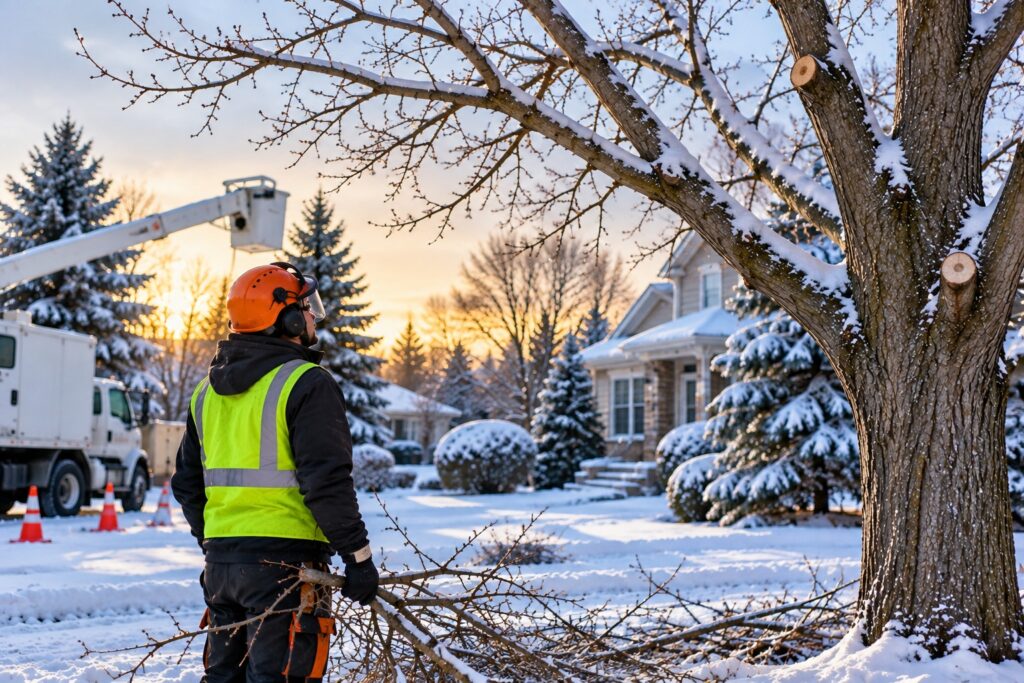
A qualified arborist Buffalo NY homeowners can rely on can examine tree structure, branches, roots, and signs of disease or decay. Early identification does not necessarily mean a tree needs to be removed. In many situations, pruning, monitoring, or other appropriate maintenance may help address specific concerns.
Why Fall Tree Inspections Matter in Buffalo
Fall provides an opportunity to inspect trees before winter weather becomes severe. Once leaves begin to drop, structural problems can become easier to see. A professional can look for defects that may not be obvious to an untrained homeowner.
A seasonal inspection can help identify:
- Dead or broken branches
- Weak branch unions
- Cracks in major limbs or trunks
- Signs of decay
- Leaning trees
- Root or soil problems
- Disease symptoms
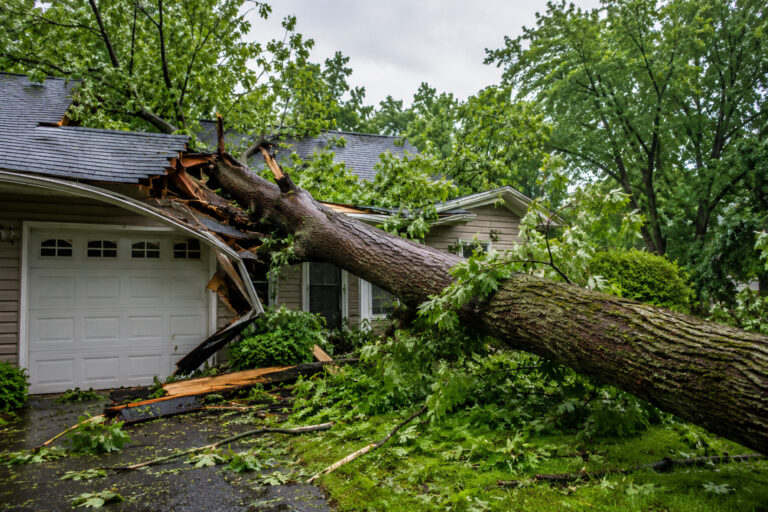
- Storm-damaged areas
- Branches growing toward structures or utility lines
A qualified arborist Buffalo NY property owners hire can document these conditions and explain which issues may require attention before winter.
1. Checking for Dead and Weak Branches
Dead branches can become more concerning when exposed to snow, ice, and strong winds. A branch that is already weak may have less ability to withstand additional weight.
During an inspection, an arborist may examine:
- Branch attachment points
- Deadwood throughout the canopy
- Broken limbs
- Hanging branches
- Branches with visible cracks
- Areas with previous storm damage
Not every dead branch presents the same level of risk. Its size, location, condition, and proximity to people or structures all matter.
A professional tree company Buffalo homeowners contact for an inspection can help determine whether selective pruning or another form of maintenance is appropriate.
2. Looking for Trunk Cracks and Structural Defects
The trunk provides the primary structural support for a tree. Cracks, cavities, unusual growth patterns, and other defects can indicate areas that deserve closer examination.
An arborist may inspect the trunk for:
- Vertical cracks
- Hollow or decayed areas
- Damaged bark
- Included bark
- Previous storm injuries
- Fungal growth
- Large cavities
These observations do not automatically indicate that a tree is unsafe. A professional assessment considers the tree’s overall condition, location, species, structure, and surrounding environment.
When property owners work with a local tree service Buffalo residents can access, they can receive guidance based on the specific condition of the tree rather than relying on a general assumption.
3. Identifying Signs of Tree Disease
Trees can show disease through changes in leaves, bark, branches, or overall growth. Some problems may become more noticeable during the growing season, while others can be identified through structural symptoms during fall inspections.
Possible warning signs include:
- Unusual leaf discoloration
- Premature leaf loss
- Cankers
- Dead branch tips
- Bark abnormalities
- Fungal growth
- Weak or declining branches
An arborist Buffalo NY professional can assess visible symptoms and determine whether additional evaluation may be appropriate.
Correct identification matters because different tree problems require different management approaches. Removing a tree without understanding the underlying issue may not always be necessary or beneficial.
4. Examining Root and Soil Conditions
Healthy roots provide stability and support water and nutrient uptake. Root damage or changes in the surrounding soil can affect tree health and structural stability.
During an inspection, professionals may look for:
- Exposed roots
- Root damage
- Soil erosion
- Compacted soil
- Changes in soil grade
- Construction-related damage
- Signs of poor drainage
A tree that appears healthy above ground can still have problems below the surface. This is one reason professional inspections can be useful before winter.
A local tree service Buffalo property owners trust may also provide recommendations for protecting the root zone from unnecessary disturbance.
5. Inspecting Trees Near Homes and Other Structures
Trees growing close to homes, garages, fences, sidewalks, and other structures deserve particular attention. The location of a potentially weak branch can be just as important as the condition of the branch itself.
Before winter, an arborist may identify branches that extend over:
- Roofs
- Driveways
- Walkways
- Patios
- Vehicles
- Fences
- Outdoor equipment
The objective is not simply to remove branches because they are close to a structure. Instead, a professional evaluates the condition and position of the tree and recommends appropriate maintenance when necessary.
6. Checking Trees Near Utility Lines
Branches growing near power lines require special care. Homeowners should not attempt to cut branches that are touching or close to electrical lines.
A tree company Buffalo residents use for professional tree care can help identify branches that may require specialized attention. Utility companies and qualified professionals may have specific procedures for vegetation near electrical infrastructure.
If a tree is close to a utility line, property owners should avoid climbing the tree or using ladders and cutting equipment near the line.
7. Assessing Leaning Trees
A noticeable lean does not automatically mean a tree is dangerous. Some trees naturally grow at an angle, while others may develop a lean because of environmental conditions or structural problems.
An arborist may consider:
- Whether the lean is recent
- Soil movement around the roots
- Root damage
- Trunk condition
- Crown distribution
- Nearby structures
- Changes following storms
A professional assessment can help distinguish between a natural growth pattern and a potentially concerning structural change.
Preparing Trees Before Buffalo Winter Weather
After identifying potential problems, property owners can discuss appropriate maintenance options with a qualified professional. Depending on the situation, recommendations may include pruning, monitoring, cabling or bracing in appropriate cases, or tree removal when a tree presents an unacceptable hazard.
Before scheduling work, homeowners should consider:
- Asking about professional qualifications
- Requesting an explanation of the recommended work
- Checking whether permits are required
- Confirming insurance coverage
- Asking how debris will be handled
- Getting a written estimate
- Understanding the scope of work
Working with a professional tree company Buffalo homeowners can communicate with clearly can make the process easier and help prevent misunderstandings about the recommended services.
What Homeowners Can Check Before Calling an Arborist
Property owners can perform a basic visual inspection from a safe location. However, they should not climb trees or attempt to investigate dangerous branches themselves.
Look for:
- Large dead branches
- Recently broken limbs
- Cracks in major branches
- Significant trunk damage
- Sudden changes in tree position
- Exposed or disturbed roots
- Branches resting on structures
- Trees showing substantial decline
If you notice a serious concern, contact a qualified professional for further evaluation.
When to Schedule a Professional Tree Inspection
Fall is a practical time to schedule an inspection because it gives property owners an opportunity to address identified concerns before winter conditions become more challenging.
An arborist Buffalo NY homeowners contact may recommend an inspection if a property has:
- Mature trees
- Trees damaged by previous storms
- Large branches over structures
- Trees near utility lines
- Recently planted or transplanted trees
- Trees showing signs of decline
- Trees with visible trunk or root damage
A local tree service Buffalo homeowners use can also help with routine pruning and storm-related concerns when appropriate.
How Professional Tree Inspections Can Support Winter Preparation
A professional inspection is not simply about finding reasons to remove trees. The broader objective is to understand tree condition and identify maintenance needs before weather conditions make problems more difficult to manage.
Depending on the findings, recommendations may involve:
- Routine monitoring
- Selective pruning
- Removal of deadwood
- Structural support in appropriate situations
- Additional diagnostic assessment
- Removal of a severely hazardous tree when other options are unsuitable
The appropriate approach depends on the individual tree and its surroundings.
FAQ
Why should I inspect my trees before winter?
Snow, ice, and strong winds can place additional loads on branches and trees. A fall inspection can identify visible structural or health concerns before winter weather arrives.
What does an arborist look for during an inspection?
An arborist typically evaluates tree structure, branches, trunk condition, root-zone concerns, signs of disease or decay, and the tree’s relationship to nearby structures and hazards.
Does a leaning tree always need to be removed?
No. A lean can have different causes. A professional should evaluate the tree’s structure, root condition, history, and surroundings before determining whether maintenance or removal is appropriate.
Should homeowners prune branches near power lines?
Homeowners should not attempt to cut branches that are touching or close to electrical lines. These situations can involve serious safety hazards and may require specialized professional or utility-company assistance.
When is the best time to schedule a tree inspection?
Fall can be a useful time because homeowners can identify and address potential concerns before winter snow, ice, and wind create additional challenges.
Can every damaged tree be saved?
Not necessarily. Some trees can be managed through pruning or other treatments, while severely compromised trees may require removal. The appropriate option depends on the tree’s condition and location.
How do I choose a tree care professional?
Look for appropriate professional qualifications, insurance, clear written estimates, and an explanation of the recommended work. Ask questions about the proposed service and make sure you understand what is included.

Ashwin Kumar
Our team of certified arborists has served the Buffalo metropolitan area for over 15 years, specializing in safe tree removal, storm response, and tree health consultation.
Need a Tree Service Estimate in Buffalo?
ISA-certified arborists. Free estimates. 24/7 emergency response across Western NY.