Table of Contents
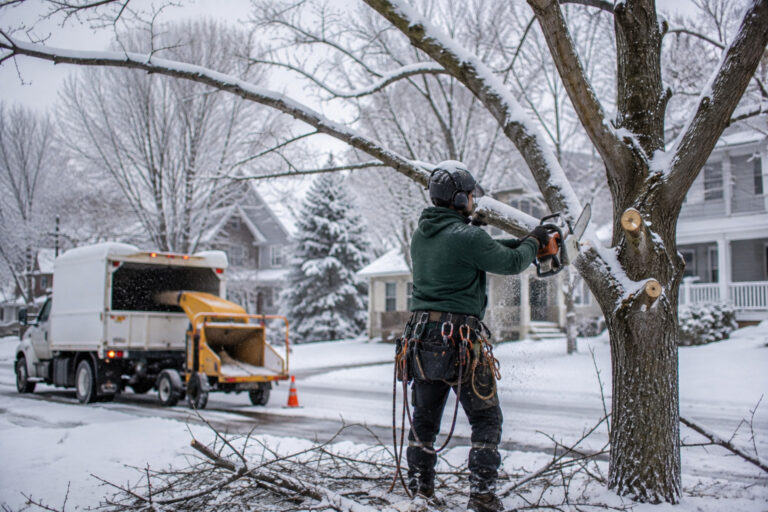
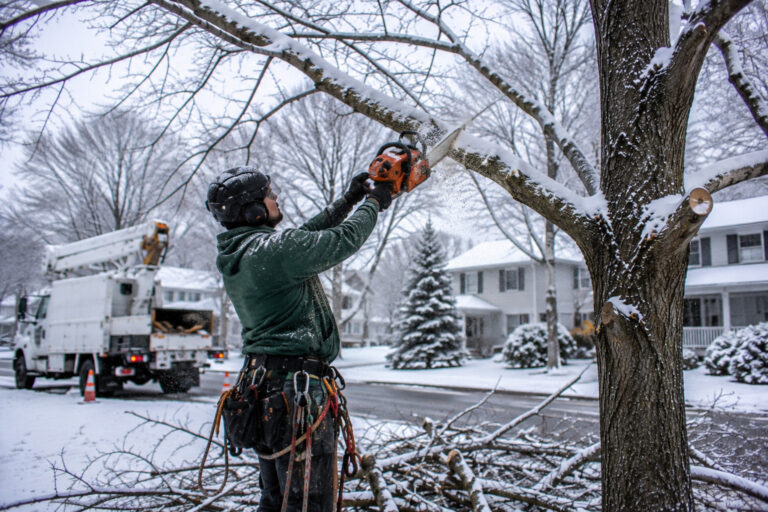
December is when Buffalo’s weather stops being an inconvenience and starts being a test. Wet snow, ice, and strong winds arrive in quick succession, and any tree with an existing weakness is the first to show it. The trouble is that most hazardous trees give clear signals long before they fail. Homeowners just don’t always know what to look for, or they assume a problem can wait until spring. This guide covers the warning signs worth acting on now, how to judge how urgent each one is, and what to expect when you arrange tree removal Buffalo homeowners rely on before the snow settles in.
Why Late Fall Is the Right Time to Look
Trees are easiest to inspect after the leaves drop. The branch structure is fully visible, so cracks, dead wood, and awkward angles stand out in a way they never do in summer. Late fall also gives you time to act. Crews have more flexibility before the winter storm season, the ground is still workable, and you aren’t making decisions with a branch already on the roof.
Walking your yard with a short checklist takes only a few minutes and can spare you a much bigger problem later.
Warning Signs You Can Spot From the Ground
You don’t need special tools to notice most red flags. Look slowly at each tree, from the base to the top, and watch for:
- Large dead branches, especially ones that remain after the leaves have fallen
- Cracks, splits, or seams running along the trunk
- A lean that is new or has become more noticeable
- Mushrooms or fungus growing at the base or on roots
- Hollow areas, cavities, or sections where bark has fallen away
- Soil that has lifted or cracked on one side of the trunk
- Branches growing at tight V-shaped angles that look ready to split
One of these signs may be manageable. Several together usually point to a tree that needs professional attention.
How Urgent Is It? A Quick Guide
Not every warning sign means the same thing. The table below helps you decide how quickly to act. It is a general guide, and a qualified arborist should confirm any serious concern.
| Warning Sign | What It Can Mean | Suggested Urgency |
|---|---|---|
| Dead branches high in the canopy | Brittle wood that can drop without warning | Act before winter storms |
| Vertical crack in the trunk | Possible structural failure | Get an assessment promptly |
| New or increasing lean | Roots may be losing their hold | Treat as urgent, especially near buildings |
| Fungus at the base | Possible internal decay or root rot | Schedule an inspection soon |
| Heaving soil near the trunk | Roots may be failing | Treat as urgent |
| Hollow or cavity in trunk | Reduced strength, though not always dangerous | Have it evaluated |
| Branches over the roof or power lines | Risk of damage or outages | Address before snow load arrives |
| Large limb already fallen | Underlying problem may remain | Inspect the rest of the tree |
If a tree leans toward your house or shows several of these signs, don’t wait for a convenient moment. Keep people and vehicles away from the area and call a professional.
Placement Matters as Much as Condition
A weak tree in the middle of an open field is a very different situation from a weak tree beside your home. When judging risk, consider what would be hit if the tree or a major limb fell:
- The house, garage, or other buildings
- Parked cars and driveways
- Power lines and service drops
- Play areas, patios, and walkways
- A neighbor’s property or shared fence line
The more valuable or occupied the target, the more seriously the warning signs should be taken. A modest problem on a tree next to a bedroom window deserves more urgency than the same problem far from any structure.
What a Professional Assessment Involves
An on-site visit from a qualified crew gives you answers a quick glance can’t. A thorough assessment usually includes:
- A look at the trunk, root flare, and canopy from the ground and sometimes from above
- Checking for signs of decay, fungus, insect damage, and structural defects
- Measuring the tree and evaluating how much space is available for a safe takedown
- Identifying obstacles such as power lines, fences, and nearby structures
- A recommendation: monitor, trim, cable, or remove
- A written estimate if removal is the best option
A trustworthy company will explain its reasoning rather than simply recommending removal every time. Sometimes trimming or monitoring is the right call.
What Happens During Removal
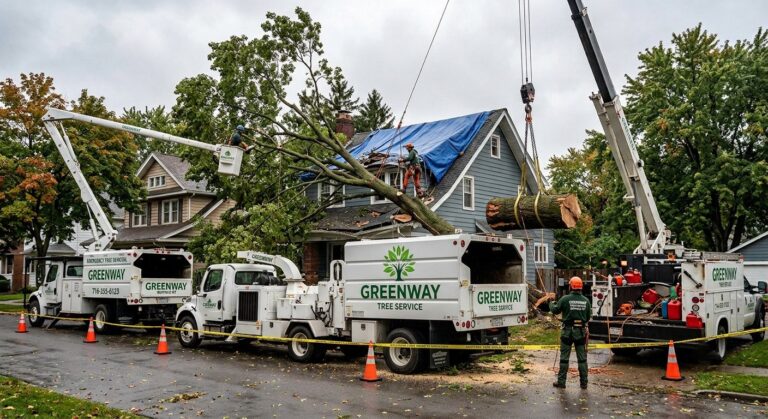
When removal is needed, the process is more involved than cutting a tree down. For tree removal Buffalo NY properties often require, crews typically:
- Set up a safe work zone and protect the surrounding yard
- Use ropes, rigging, or cranes to lower large sections in controlled pieces
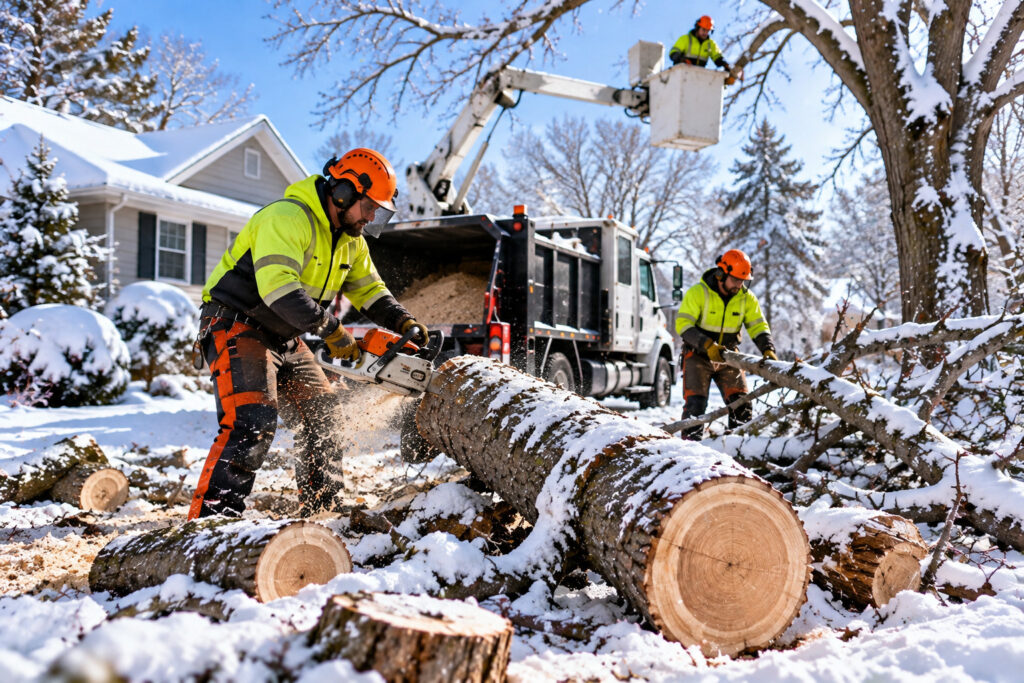
- Cut the tree into manageable parts as work proceeds
- Haul away branches, logs, and debris unless you’ve agreed otherwise
- Offer stump grinding as a separate step if you want the stump gone
Most residential jobs finish in a day, though large or complicated trees can take longer.
Choosing a Company
Not every operator handles hazardous trees with the same care. When comparing a tree removal service, check for:
- Current liability insurance and workers’ compensation coverage
- A certified arborist available for assessment
- Recent reviews from local customers
- A written, itemized estimate before work starts
- Equipment suited to large or hard-to-reach trees
- Availability for urgent storm-related calls
Be cautious about anyone who knocks on your door offering a deal after a storm, asks for full payment upfront, or won’t show proof of insurance.
Frequently Asked Questions
How do I know if a tree is dead or just dormant?
Scratch a small patch of bark on a twig. Green underneath suggests the tree is alive, while brown and dry suggests it isn’t. Buds that never open in spring, brittle branches, and peeling bark are other clues.
Can a leaning tree be saved?
Sometimes, depending on the cause and how quickly it developed. A tree that has recently begun leaning, especially after wind or soil movement, should be assessed promptly. A sudden lean often indicates root failure and is a reason to act quickly.
Do I need a permit to remove a tree?
It depends on your municipality, the size of the tree, and its species. Some areas regulate removal of larger or protected trees. A reputable company can usually help you check before work begins.
Does homeowners insurance cover tree removal?
Coverage often depends on the cause. Removal after storm damage may be covered in some policies, while removing a tree that hasn’t caused damage is usually the homeowner’s expense. Check your policy or ask your insurer directly.
Is it safe to remove a hazardous tree myself?
It is rarely a good idea. Weak trees behave unpredictably, and falling limbs, ladders, and chainsaws cause serious injuries each year. Trained crews with proper equipment are the safer choice for anything large or near structures.
What should I do if a tree looks dangerous right now?
Keep people, pets, and vehicles away from the area. Avoid touching downed lines or anything in contact with them, take photos, and contact a company that offers emergency response.
Final Thoughts
The best time to deal with a hazardous tree is before it becomes an emergency. A short walk around your yard this fall, a few photos, and a professional opinion on anything that worries you can prevent damage, injuries, and stress later. Whether you’re arranging tree removal Buffalo residents recommend or comparing a tree removal service for a tree that looks suspect, confirm insurance, get a written estimate, and act before December gives you no choice.

Ashwin Kumar
Our team of certified arborists has served the Buffalo metropolitan area for over 15 years, specializing in safe tree removal, storm response, and tree health consultation.
Need a Tree Service Estimate in Buffalo?
ISA-certified arborists. Free estimates. 24/7 emergency response across Western NY.