Table of Contents
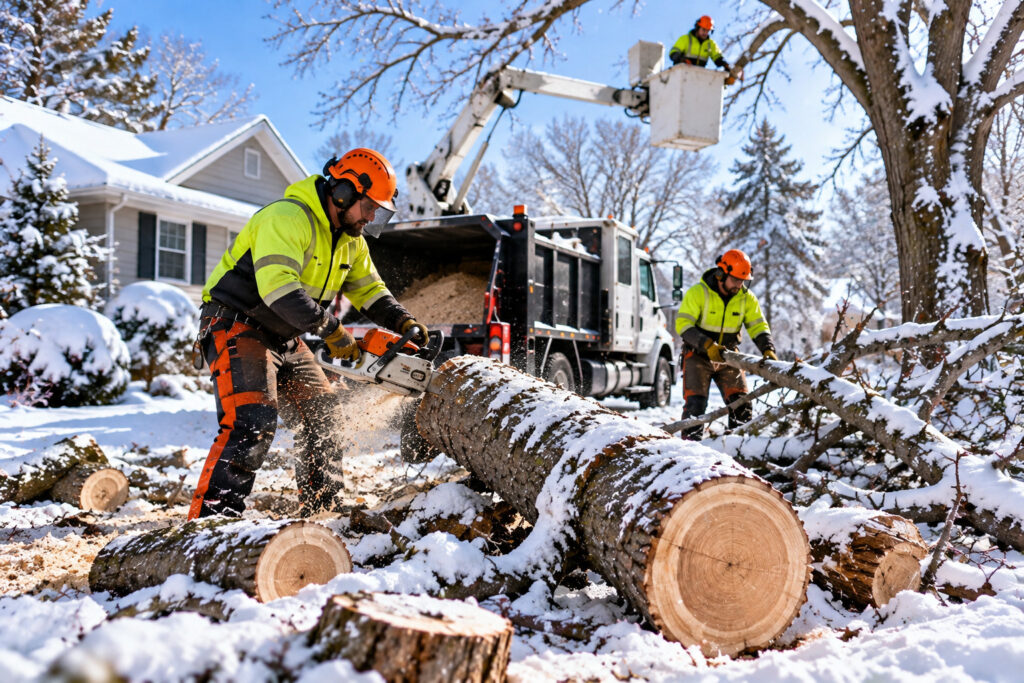
Buffalo winters are tough on trees and even tougher on the yards around them. Heavy lake-effect snow, ice buildup, and strong winds can turn a leaning oak or a split maple into a real hazard. When that tree stands close to a house, a garage, or a utility line, the job is no longer something to attempt with a ladder and a chainsaw. This is where professional Tree Removal Buffalo crews earn their reputation.
At Greenway Tree Service, we have seen how careful planning keeps large removals safe even when space is limited and the ground is frozen. This guide explains how the work is done, which risks to expect, and how to choose the right help for your property.
Why Winter Changes Large Tree Work
Winter removal is not simply summer removal with a heavier coat. Frozen ground can be firmer, which helps equipment avoid deep ruts in the lawn. On the other hand, snow hides stumps, fences, buried sprinkler heads, and uneven ground. Ice on branches adds weight and makes wood more brittle, so limbs can snap in ways that are hard to predict.
Daylight is also shorter, and cold affects both people and equipment. A skilled crew builds these factors into the schedule, the gear list, and the safety plan before the first cut. Homeowners comparing a Tree Removal Service in winter should ask how the company handles snow, ice, and limited daylight, not only how it handles the tree itself.
Common Hazards in Tight Buffalo Yards
Many properties in the Buffalo area sit on narrow city lots, with homes close together and mature trees near property lines. That layout creates a handful of recurring hazards:
- Overhead power, cable, and phone lines running through or near the canopy
- Houses, garages, sheds, and fences within falling distance
- Shared property lines with neighbors’ structures and landscaping
- Snow-covered or icy ground that limits footing and equipment movement
- Dead, split, or decayed wood that can fail without warning
- Narrow driveways and street parking rules that restrict truck access
Each hazard changes the removal plan. A tree that could simply be felled in an open field must instead be taken down in sections and lowered under control. Understanding these risks also explains why Tree Removal Buffalo NY crews rely on specialized rigging gear and trained climbers.
How a Professional Crew Plans a Safe Removal
A good job starts well before anyone climbs. The crew lead walks the property and studies the tree’s lean, the condition of the trunk, and the path to every nearby structure. They check for decay, cracks, and weight imbalance, then choose a method that fits the site.
Planning usually covers these steps:
- Site walk and tree assessment, including trunk condition and lean
- Identifying targets such as the house, power lines, and fences
- Choosing sectional dismantling, crane assistance, or a mix of both
- Setting up drop zones and protecting the lawn with ground mats
- Assigning roles to climbers, ground crew, and a spotter
- Planning cleanup, debris hauling, and optional stump grinding
This kind of preparation is what separates dependable Tree Removal Buffalo NY work from rushed jobs that put property and people at risk.
Techniques That Protect Your Property
When there is no room to fell a tree whole, crews rely on controlled methods.
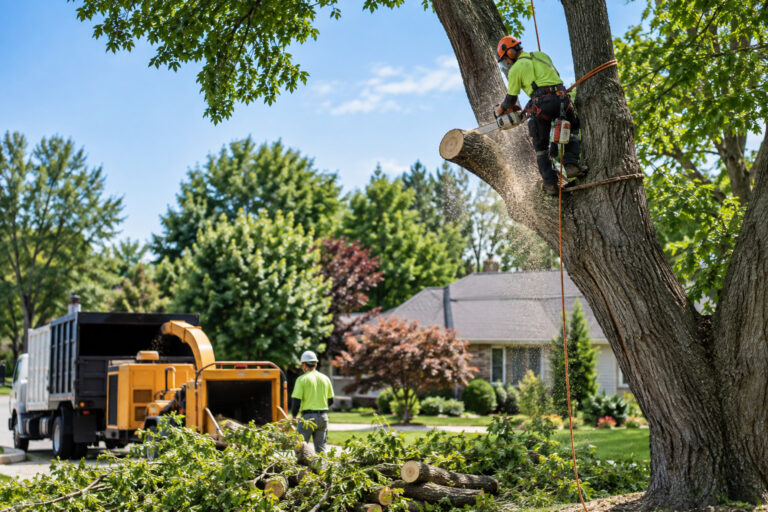
- Sectional dismantling: A climber works from the top down, cutting the tree into manageable pieces. Each piece is lowered on ropes through rigging points, so nothing free-falls onto a roof or fence.
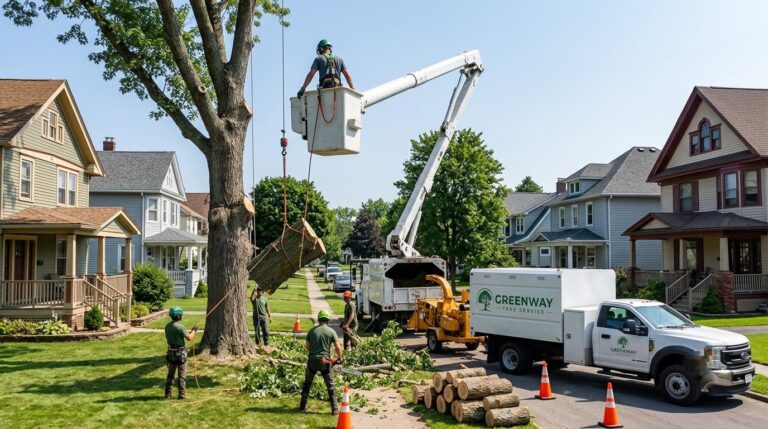
- Crane-assisted removal: For very large or unstable trees, a crane holds each section as it is cut and swings it to a safe landing area. This is often the best choice when a tree leans over a house or the trunk is too weak to support rope rigging.
- Bucket truck access: Where the site allows, a bucket truck gives workers a stable platform without climbing a damaged trunk.
- Ground protection: Plywood mats and heavy tarps shield lawns, driveways, and garden beds from equipment and falling debris, even under a layer of snow.
Winter Removal Methods at a Glance
| Method | Best For | Main Benefit | Winter Consideration |
|---|---|---|---|
| Sectional dismantling | Trees near homes and fences | Precise control of every piece | Ropes and gear checked for ice and stiffness |
| Crane-assisted removal | Very tall or unstable trees | Lower risk to structures | Needs firm ground and a truck-width access path |
| Bucket truck work | Open driveways, moderate height | Stable platform for the crew | Snow must be cleared for truck positioning |
| Standard felling | Open yards with clear drop zones | Fastest method | Rarely suitable for tight winter yards |
The right choice depends on the tree, the site, and the weather on the day of the job.
Signs a Large Tree Should Come Down
Not every tree needs to be removed, but some warning signs should not be ignored:
- Visible cracks, splits, or cavities in the trunk
- Large dead branches in the upper canopy
- Leaning that has worsened after a storm
- Mushrooms or fungal growth near the base
- Roots lifting from the soil or damaged by construction
- Heavy ice or wind damage to major limbs
If you notice any of these signs, schedule an inspection. Acting early gives you more options and lowers the chance of emergency work during a storm. Many homeowners begin by searching for a Tree Removal Service near them and comparing what each company offers.
What to Look for When Choosing a Provider
Not every company is equipped for large or tight-space removals. Before you book, consider the following:
- Proof of liability insurance and workers’ compensation coverage
- Trained climbers and certified arborists on staff or on call
- Clear written estimates that describe the work and the cleanup
- Access to rigging gear, mats, and crane partners when needed
- Local references and reviews from nearby neighborhoods
A reliable Tree Removal Service will explain its plan in plain language and answer questions without pressure. Be cautious of anyone who arrives unannounced after a storm, asks for full payment upfront, or cannot show proof of insurance.
Permits, Utilities, and Neighbors
Some municipalities in the Buffalo region regulate tree work, especially for street trees or protected areas. A professional crew can help you understand whether a permit or notice is needed. If branches touch power lines, the utility company may need to handle that portion of the work first.
It also helps to tell your neighbors ahead of time if equipment will use shared access or if cuttings may pass over a boundary. Good communication prevents misunderstandings and keeps the project smooth. Residents looking for Tree Removal Buffalo expertise should confirm that these local steps are part of the service.
What to Expect on Removal Day
Crews usually arrive early to make the most of daylight. They set up cones, mats, and rigging, brief everyone on the plan, and begin cutting from the top down. Expect some noise, and expect the crew to ask you to keep children and pets indoors.
After the tree is down, the team processes logs and brush, hauls away debris, and cleans up the work area. Stump grinding can be added if you want the stump removed as well. Property owners who book Tree Removal Buffalo NY work in winter often find the process less disruptive to the lawn, because frozen ground holds up better under heavy equipment.
Cost Factors to Keep in Mind
Pricing depends on tree size, access, condition, proximity to structures, and whether a crane is needed. Local Tree Removal Buffalo pricing also varies with the amount of cleanup and whether stump grinding is included. Always request a written estimate so you can compare the scope of work, not just the price. A fair quote from a Tree Removal Service will list cleanup, stump options, and any equipment charges.
Frequently Asked Questions
Is it safe to remove a large tree in winter?
Yes, when trained crews handle the job. Frozen ground can reduce lawn damage, and a leafless canopy makes the tree’s structure easier to read. Crews adjust for ice, snow, and shorter days. For anyone considering Tree Removal Buffalo NY during the cold months, the key is choosing a company with proper insurance and equipment.
How do crews remove a tree that is very close to my house?
They use sectional dismantling or crane assistance, cutting the tree into pieces and lowering each one under control instead of letting it drop.
Do I need a permit to remove a tree?
It depends on the tree’s location, size, and whether it is on public or private property. Ask your provider about Tree Removal Buffalo NY rules, or contact your local city office to confirm.
How long does a large removal take?
Many jobs take a few hours to a full day. Complex removals with cranes, power lines, or very large trunks can take longer.
Will the crew clean up after the job?
Reputable companies include cleanup, but you should confirm it in the written estimate. When comparing a Tree Removal Service quote, check whether hauling and stump grinding are included.
Can I remove a storm-damaged tree myself?
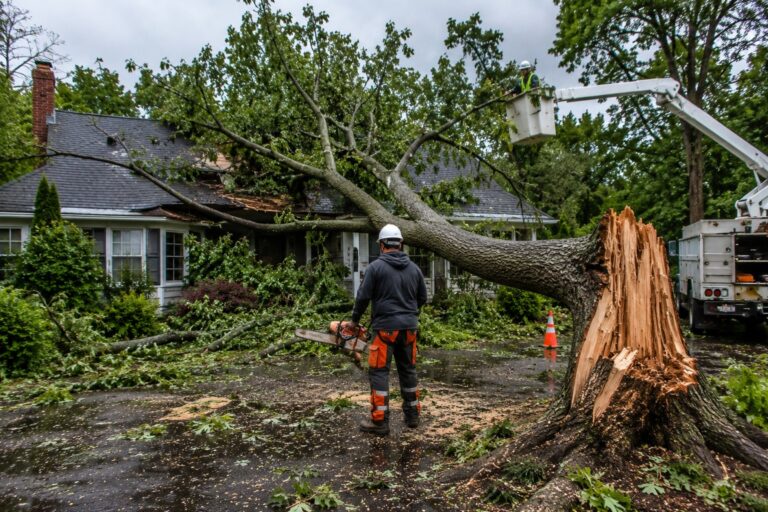
It is not recommended. Broken limbs hold hidden tension, and large sections carry serious weight. Professional crews have the training and equipment to handle these situations safely.
Final Thoughts
Large trees in tight yards demand patience, skill, and the right equipment, especially during a Buffalo winter. With careful planning, controlled rigging, and clear communication, crews can remove hazardous trees without harming homes, utility lines, or landscaping.
If you are weighing Tree Removal Buffalo options, start with an inspection, ask how the crew will protect your property, and get the plan in writing. Greenway Tree Service is ready to help homeowners handle large removals safely and with respect for the yard. Contact us to schedule an assessment and take the worry out of winter tree hazards.

Ashwin Kumar
Our team of certified arborists has served the Buffalo metropolitan area for over 15 years, specializing in safe tree removal, storm response, and tree health consultation.
Need a Tree Service Estimate in Buffalo?
ISA-certified arborists. Free estimates. 24/7 emergency response across Western NY.