Table of Contents
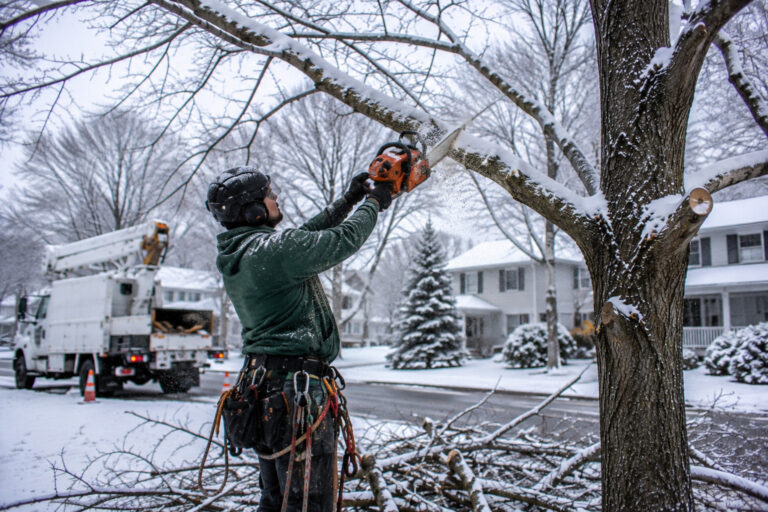
Lake effect season can change a Buffalo yard overnight. A single band of heavy, wet snow can bury a neighborhood in hours, and the weight on branches, combined with gusting wind, is often more than a tree can handle. Cracked limbs, leaning trunks, and fallen branches on roofs or driveways are common after a major storm. Knowing what to check, and when to call in professional Tree Removal Buffalo crews, can protect your family, your home, and your budget.
At Greenway Tree Service, we put together this checklist to help property owners prepare before a storm, stay safe during it, and respond sensibly afterward. It is written for homeowners, landlords, and property managers who want clear steps rather than guesswork.
Why Lake Effect Season Is Hard on Trees
Lake effect storms are different from ordinary snowfall. Snow can arrive fast and stack up on branches before they have time to shed it. Wet snow clings to wood, and freezing rain adds a layer of ice that multiplies the load. Strong winds off the lake then push on a canopy that is already heavy.
Trees with existing weaknesses suffer first. A trunk with a hidden cavity, a branch with a poor attachment, or a root system weakened by construction or saturated soil may fail when conditions peak. Even healthy trees can lose limbs, which is why a seasonal inspection is worth the effort.
Before the Storm: Inspection Checklist
The best time to spot a problem is before the first big snowfall. Walk your property in daylight and look up, down, and around each large tree. Use this list:
- Dead or hanging branches, especially over roofs, driveways, and walkways
- Cracks, splits, or deep cavities in the trunk or main branch unions
- Branches rubbing against each other or growing toward power lines
- Mushrooms or soft, crumbling wood near the base
- Soil heaving, exposed roots, or a trunk that seems to lean more than last year
- Included bark, where two stems grow tightly together with a weak V-shaped joint
If you find several of these signs on one tree, schedule an assessment. A qualified Tree Removal Service can tell you whether pruning, cabling, or full removal is the safer choice. Taking action in autumn is usually calmer and more affordable than waiting for an emergency.
Storm Damage Warning Signs at a Glance
| Warning Sign | What It May Mean | Suggested Action |
|---|---|---|
| Large cracked limb still attached | High risk of sudden failure | Keep clear and call a professional |
| Tree leaning after the storm | Root plate damage or soil movement | Restrict access and request an urgent inspection |
| Branches touching power lines | Electrical hazard | Stay far away and contact the utility company |
| Split trunk | Structural failure of the tree | Professional assessment, removal is often needed |
| Small broken twigs only | Minor cosmetic damage | Light cleanup or routine pruning |
| Ice-coated branches bending low | Temporary overload | Wait for thaw, do not shake or strike branches |
The table shows why storm response is rarely one-size-fits-all. A careful assessment from experienced Tree Removal Buffalo NY crews helps you separate urgent hazards from problems that can wait for a normal appointment.
During the Storm: Safety First
Once the storm begins, your priority is staying safe. Trees and branches can fall without warning, so avoid unnecessary trips outside. Keep these points in mind:
- Stay away from windows near large trees if wind is strong
- Do not park vehicles beneath branches that look stressed
- Never approach a downed line or any tree touching a line
- Do not try to clear ice or snow from branches by pulling or shaking them
- Keep children and pets indoors until the area has been checked
If a tree falls on your home and someone may be hurt, call emergency services first. Property protection comes second to human safety.
After the Storm: Step-by-Step Checklist
When the weather calms, resist the urge to start cutting right away. A calm, ordered approach prevents injuries and further damage.
- Check for hazards from a distance, including lines, leaning trees, and hanging limbs
- Photograph all damage from several angles before anything is moved
- Contact your utility company if any line is down or touching a tree
- Block off the danger zone with cones, tape, or sturdy barriers
- Call a licensed and insured company to assess the trees and plan the work
- Notify your insurance provider and ask what documentation they require
- Keep receipts for emergency repairs, tarping, and debris removal
Calling early matters because demand rises quickly after a major storm. Property owners who already have a relationship with a trusted provider of Tree Removal Buffalo NY work are often in a better position to get on the schedule.
Why DIY Storm Cleanup Is Risky
It is tempting to grab a chainsaw and clear a fallen limb yourself. In practice, storm-damaged wood is unpredictable. Branches that look stable may be under heavy tension, and cutting them can cause sudden, violent movement. Snow and ice make footing unreliable, and working near lines or structures adds more danger.
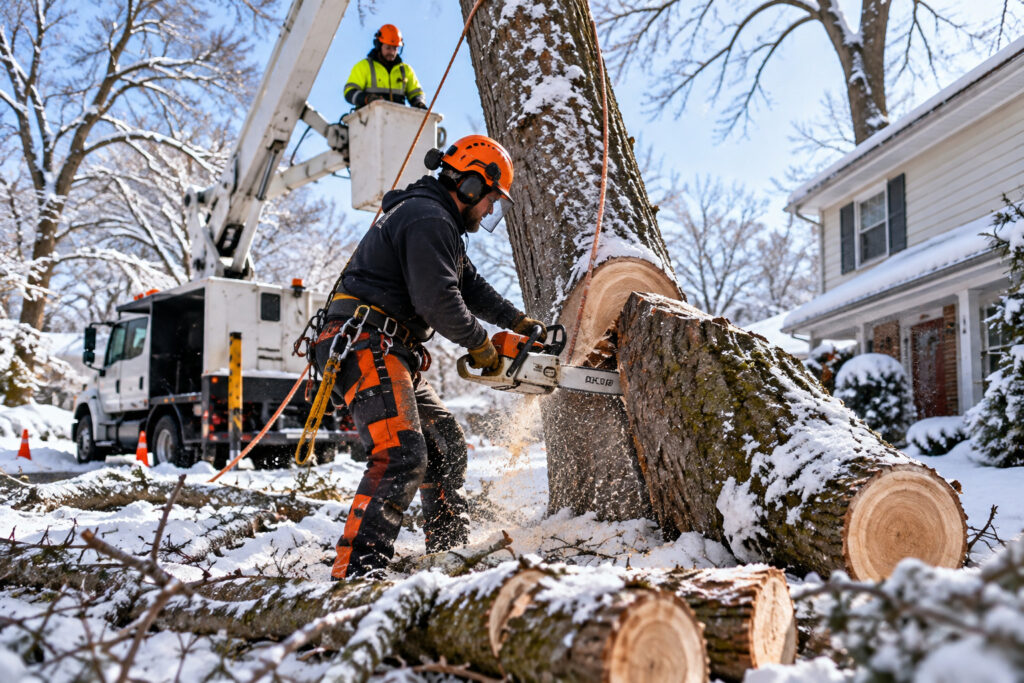
Professional crews use climbing systems, rigging, and protective gear designed for exactly these situations. For anything larger than a small, easily reached branch on the ground, trained Tree Removal Buffalo crews are the safer option. They also know how to avoid secondary damage to roofs, fences, and landscaping.
How to Choose a Reliable Provider
After a storm, unfamiliar crews may knock on doors offering quick work. Some are reputable, but others lack insurance or training. Before agreeing to anything, check the following:
- Current liability insurance and workers’ compensation coverage
- Certified arborists or experienced climbers on the team
- A written estimate describing the work, cleanup, and any extra charges
- Local references and verifiable reviews
- A clear explanation of how the crew will protect your property
A dependable Tree Removal Service will welcome these questions. Be wary of high-pressure sales, requests for full payment upfront, or vague promises. A good company is comfortable putting its plan in writing.
Emergency Work Versus Planned Work
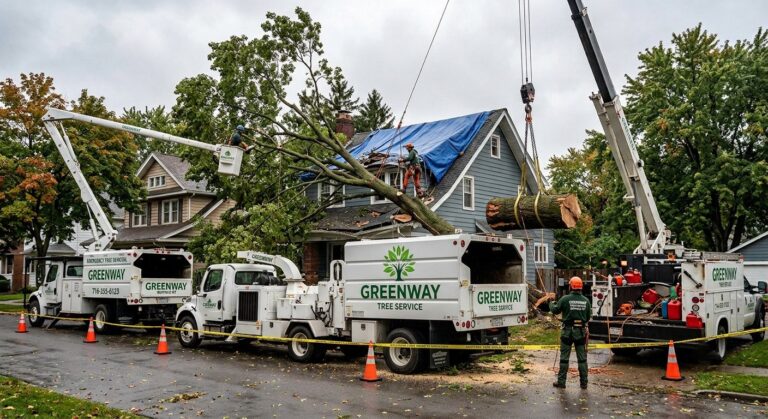
Not every storm-damaged tree needs same-day attention. Emergency work is appropriate when a tree is blocking an exit, resting on a structure, or threatening to fall on people or property. In those cases, crews focus on making the area safe first, which may mean removing the most dangerous parts before the full job is completed.
Planned work covers trees that are damaged but stable, such as a partially broken canopy that can be corrected with pruning or a scheduled removal. A transparent Tree Removal Service will help you decide which category applies, rather than pushing every job as an emergency.
Insurance and Documentation Tips
Insurance coverage for tree damage varies by policy and by what the tree struck. Many policies address situations where a tree damages a covered structure, while removal of a tree that falls without causing damage may be handled differently. Because policies differ, read yours carefully or ask your agent before work begins.
Good documentation makes any claim easier. Take dated photos, save written estimates, and keep invoices. A professional company can provide a clear scope of work that supports your paperwork.
What Affects the Cost of Storm Removal
Several factors influence pricing: the size and height of the tree, how close it is to buildings or lines, the condition of the wood, access for equipment, and the amount of cleanup required. Local Tree Removal Buffalo pricing also changes with demand, since storm weeks tend to be busy. Always compare written estimates by scope, not only by the bottom-line number. A low price that leaves out hauling or stump work may cost more in the end.
Frequently Asked Questions
What should I do first if a tree falls on my house?
Make sure everyone is safe and call emergency services if anyone is hurt. Stay away from lines, then contact a licensed company and your insurer.
How soon should I call after a storm?
As soon as it is safe to do so. For anyone needing Tree Removal Buffalo NY help after a major storm, early calls are important because crews prioritize urgent hazards first.
Do I need a permit to remove a tree?
That depends on the tree’s location and whether it is on public or private land. Ask your provider about local Tree Removal Buffalo NY rules or check with your city office.
Can a damaged tree be saved?
Sometimes. Minor limb loss can often be corrected with proper pruning. Major trunk splits or severe root damage usually mean removal is safer.
Will the crew clean up debris afterward?
Reputable companies usually include cleanup, but confirm this in writing. When comparing a Tree Removal Service quote, ask whether hauling, wood chipping, and stump grinding are included.
Is it safe to remove snow from branches myself?
No. Pulling or shaking loaded branches can cause them to snap and injure you. It is safer to let ice melt naturally and call a professional if a branch looks dangerous.
Final Thoughts
Lake effect season is part of life in Western New York, but tree-related damage does not have to be a surprise. Inspect your trees in autumn, stay indoors and away from hazards during storms, and follow a steady checklist once the weather clears. If you are comparing Tree Removal Buffalo options, look for insured crews, written estimates, and a plan that protects your property.
Greenway Tree Service is ready to help homeowners assess storm damage and handle removals safely. Contact us to schedule an inspection and make sure your trees are ready for the next round of winter weather.

Ashwin Kumar
Our team of certified arborists has served the Buffalo metropolitan area for over 15 years, specializing in safe tree removal, storm response, and tree health consultation.
Need a Tree Service Estimate in Buffalo?
ISA-certified arborists. Free estimates. 24/7 emergency response across Western NY.