Table of Contents
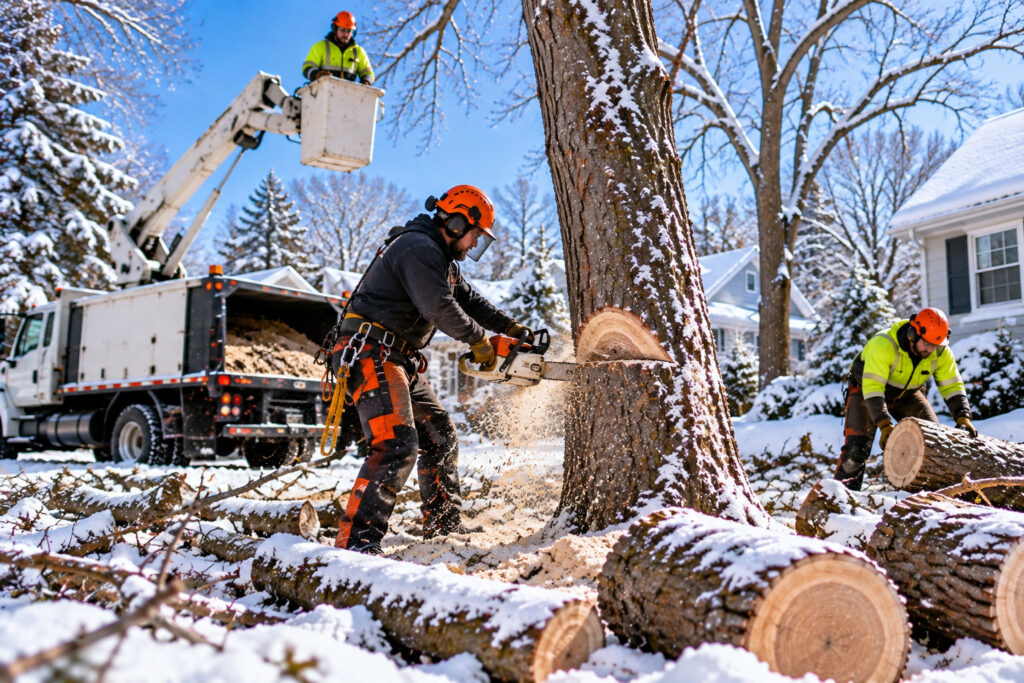
A dead tree standing in the yard is easy to ignore in summer. It looks bare, maybe a little sad, but it isn’t going anywhere. Winter changes that. Heavy snow, ice, and lake-effect wind turn a brittle, lifeless tree into a genuine hazard for your home, your vehicles, and anyone who walks past it. This guide explains why dead trees become more dangerous in cold weather, how to confirm a tree is truly dead, what to expect from a professional crew, and why booking tree removal in Buffalo NY before the first big storm is the smarter move.
Why a Dead Tree Is Riskier Than It Looks
A living tree bends. Its wood holds moisture, which gives it flexibility to absorb wind and weight. A dead tree has lost that flexibility. The wood dries out, becomes brittle, and starts to decay from the inside, often long before the outside shows obvious damage. Roots that once anchored the tree firmly begin to rot and release their grip on the soil.
That combination means a dead tree can fail with very little warning. A branch can drop on a calm day, or the entire trunk can snap at a weak point during a moderate gust. Planning tree removal Buffalo NY homeowners can schedule on their own timeline is far safer than waiting for the tree to make the decision.
How Winter Makes a Dead Tree Urgent
Buffalo winters are especially hard on weakened trees. Several conditions stack up at once:
- Wet, heavy snow collects on branches and adds hundreds of pounds of load to wood that can no longer flex
- Ice storms coat limbs and increase their weight dramatically in a matter of hours
- Strong lake-effect winds put sideways pressure on trunks with decayed roots
- Repeated freeze and thaw cycles crack brittle wood and loosen the soil around the base
- Frozen ground makes it harder for crews to reach the tree once the season is in full swing
Each of these puts extra stress on a tree that was already failing. Scheduling tree removal Buffalo NY crews can complete in fall, before the worst weather arrives, takes the risk off your property entirely.
How to Tell Whether a Tree Is Dead or Just Dormant
Many healthy trees look bare in winter, so it’s worth checking before you assume the worst. A few simple checks can help:
- Scratch a small patch of bark on a twig. Green underneath means the tree is alive, while brown and dry means it likely isn’t
- Look for buds on the branches in late winter and early spring
- Check whether the tree leafed out normally the previous season
- Watch for bark that peels away easily in large sheets
- Look for fungus, mushrooms, or hollow sections near the trunk base
- Notice whether branches snap with a dry, brittle crack instead of bending
If several of these point toward a dead tree, an on-site evaluation from a qualified tree removal service can confirm it and recommend the safest next step.
Warning Signs a Dead Tree Needs to Come Down Soon
Some dead trees can wait a little while. Others need attention right away. Treat the situation as urgent if:
- The tree stands close enough to hit the house, garage, or a parked car if it falls
- It sits near power lines or along a shared fence line with a neighbor
- Children or pets regularly play beneath it
- It has already dropped large limbs
- The trunk shows a growing lean or visible cracks
- The ground around the base is heaving or sinking
Dead Tree Removal in Fall vs. Winter
Timing affects both safety and cost when you book tree removal in Buffalo NY. The table below compares what homeowners usually experience in each season.
| Factor | Fall Removal | Winter Removal |
|---|---|---|
| Ground conditions | Firm and dry, easy equipment access | Frozen, snow covered, or icy |
| Crew availability | Generally wider scheduling windows | Busy after storms, longer waits possible |
| Tree visibility | Leaves down, structure easy to inspect | Snow and ice can hide damage |
| Risk of tree failing first | Lower, since storms are less frequent | Higher, since snow and ice load adds stress |
| Cost predictability | Planned job, steady pricing | Emergency calls often cost more |
| Property protection | Lawn and landscaping less likely to be damaged | Frozen ground can be harder to protect |
Fall is almost always the better window for tree removal Buffalo NY homeowners need, but winter work is still possible when a tree is actively dangerous. If your tree is already a concern, don’t wait for spring.
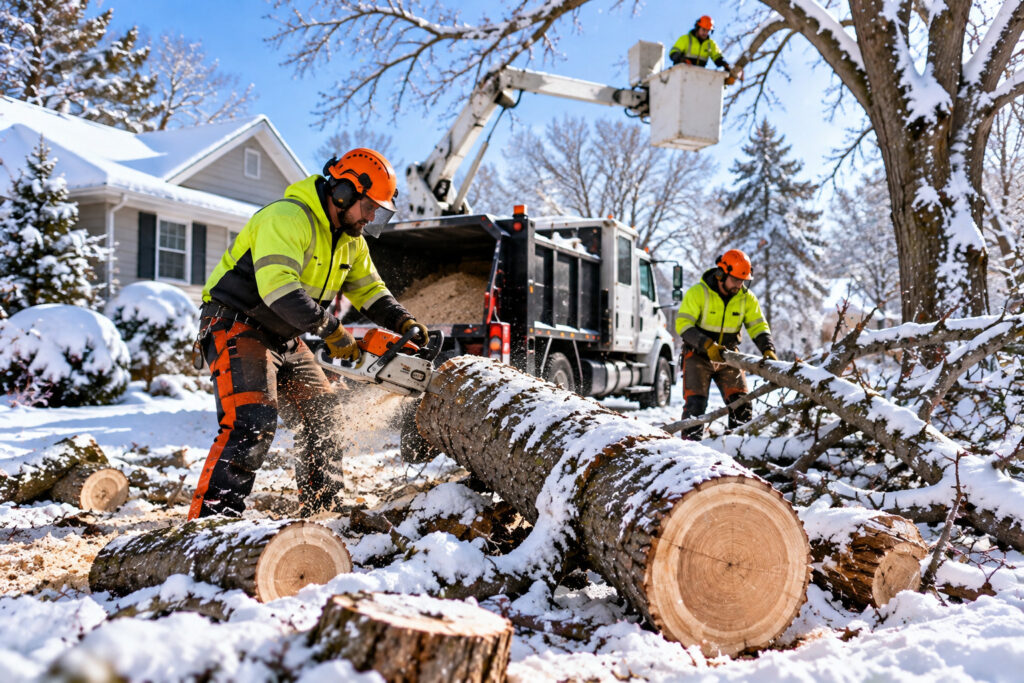
What Professional Dead Tree Removal Buffalo NY Crews Do
A dead tree needs more caution than a healthy one, because the wood can break unpredictably under a saw or rope. A reliable tree removal service typically follows these steps:
- An on-site assessment of the tree, its lean, and everything around it
- A written estimate that spells out the work and the total cost
- A check on whether a local permit applies
- Controlled removal using rigging, ropes, or crane work to bring the tree down in sections
- Hauling away of branches, logs, and debris
- Optional stump grinding once the main work is finished
Because dead wood can fail in ways a healthy tree won’t, this is rarely a job to attempt with a ladder and a chainsaw. Hiring a licensed, insured tree removal service Buffalo property owners can trust reduces the chance of injury and property damage.
Choosing the Right Tree Removal Service
When you compare options for tree removal in Buffalo NY, look beyond the price. A few things separate dependable companies from risky ones:
- Current licensing and liability insurance
- A certified arborist involved in the assessment
- Recent reviews from customers in your area
- An itemized written estimate with no vague line items
- Proper equipment for larger or harder-to-reach trees
- Availability for storm-related calls, not only scheduled jobs
Frequently Asked Questions
How much does dead tree removal cost?
Tree removal Buffalo NY pricing depends on the tree’s height, trunk size, condition, and how close it is to buildings or power lines. A small dead tree in an open yard costs far less than a tall one beside a house. A written, in-person estimate is the only reliable way to get a real number for your property.
Is a dead tree an emergency?
Not always, but it can become one quickly. A dead tree close to your home, driveway, or power lines should be handled promptly by a tree removal service, especially before winter. One in an open corner of the yard may be able to wait a short time, though the risk keeps growing.
Can I remove a dead tree myself?
It’s not recommended. Dead wood is brittle and unpredictable, and a tree can fall or shed limbs in directions you don’t expect. The combination of height, weight, and decay makes this a job for a professional tree removal service with proper equipment.
Does homeowners insurance cover dead tree removal?
Usually only when the tree has fallen because of a covered event, such as a storm, and caused damage. Removing a dead tree before it fails is typically the homeowner’s responsibility, so it’s worth checking your policy or asking your insurer directly.
Do I need a permit to remove a dead tree?
It depends on your municipality and the size or species of the tree. Some areas have rules about removing mature trees, even dead ones, so it’s smart to confirm before work begins. A professional crew can usually help you check.
How long does a removal take?
Most residential jobs are finished in a single day. Larger trees, tight access, or crane work can take longer, so ask for a time estimate during the initial assessment.
Final Thoughts
A dead tree is a problem that only gets worse with time, and Buffalo’s winter weather speeds that up. Spotting the signs now, getting a written estimate, and scheduling tree removal in Buffalo NY before the snow arrives protects your home, your family, and your budget. If you’re weighing whether a tree can wait, the safest answer is usually to have it looked at this fall.

Ashwin Kumar
Our team of certified arborists has served the Buffalo metropolitan area for over 15 years, specializing in safe tree removal, storm response, and tree health consultation.
Need a Tree Service Estimate in Buffalo?
ISA-certified arborists. Free estimates. 24/7 emergency response across Western NY.